
What digital product should you create? Start with your life
 The Gadura team
Before you pick a format, pick the hours you actually have. How to design a digital product that fits your life and still gets finished.
The usual way to choose a digital product is to look at what sells and copy the format. Courses are big, so make a course. Memberships are recurring, so start a membership. Then six months pass, the course is forty per cent recorded, and the thing you built to free your time has quietly eaten it. There is a better order. Decide what your life can carry first, then design the product to fit inside that.
Count the hours you really have
Not the hours you could find if you were more disciplined. The hours you reliably have, this month, after the work that pays today and the people who need you. Write the number down as a weekly figure. For most people with a working business it is somewhere between three and eight.
That number decides the product. Three hours a week can build a guide, a template pack or a single recorded workshop in a few months, and then those things earn without you. Three hours a week cannot run a live cohort, answer a community every day and record a twelve-module course at the same time. Choosing a format your hours cannot carry is the most common reason digital products never launch.
Match the format to your energy, not just your time
Some people come alive on camera and go flat writing. Some write for hours and dread a Zoom room. Products built against your grain get abandoned, however profitable the format looks from the outside.
- If you write easily: guides, playbooks, email courses, paid newsletters, template packs with written walkthroughs.
- If you talk easily: recorded workshops, audio lessons, a short video course, live sessions sold as a pack.
- If you like people in the room: a small community, a monthly call, office hours sold as a service, group programmes with a fixed end date.
- If you like making things: templates, presets, worksheets, systems other people can copy.
Pick the lane you would keep walking in on a tired Thursday. That is the one you will finish.



Start with the question you are already answering
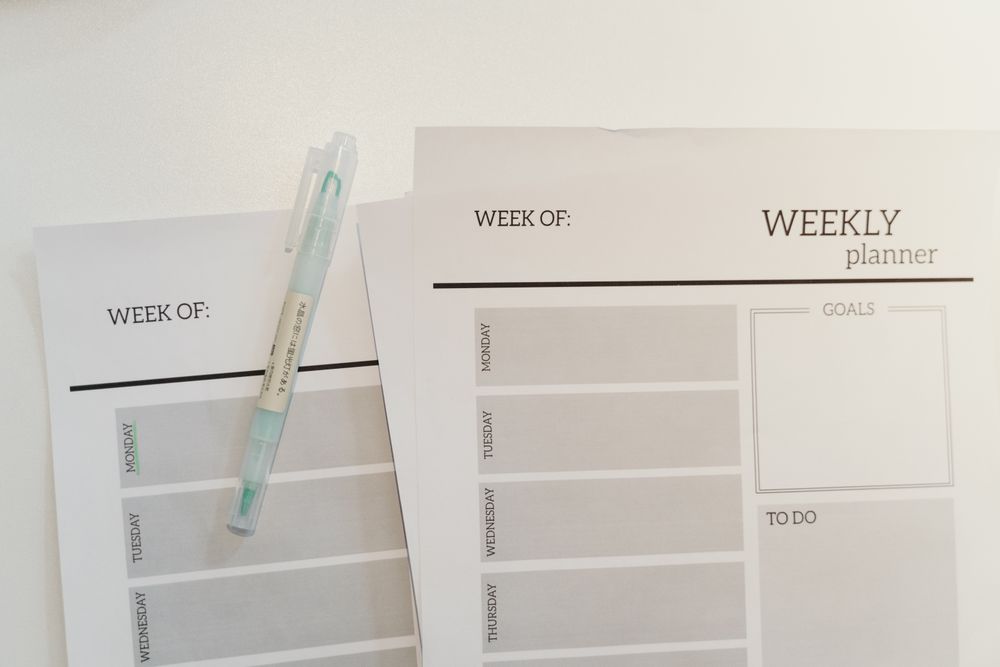
You do not need a new idea. You need the question people already bring you, written down. Look at your inbox, your messages, the thing clients ask on the first call, the thing friends in your field ask over coffee. The one that comes up most, that you answer the same way each time, is the product.
Turn it into one sentence with a specific person in it: "I help first-year florists price weddings without undercharging." If the sentence has no specific person, keep working on it. A product for everyone is a product nobody searches for.
Make the smallest version that delivers the whole result
The first version is not the flagship. It is the smallest thing that gets a buyer from the question to the answer, start to finish. Not a sample. Not a teaser. The whole result in its plainest form.
For most questions that is one of these:
- A written guide with the steps, the examples and the mistakes to avoid.
- A single recorded session, under an hour, with a worksheet.
- A template with a short walkthrough of how to use it.
Each of those can be built in weeks on a few hours a week, sold at a fair price, and improved after real buyers tell you what was missing. The twelve-module course can come later, built from what those buyers asked next.
Decide how it will reach people before you make it
A product you cannot deliver cleanly is not finished. Decide the delivery on day one:
- A guide or template is a file behind a checkout, sent the moment someone pays.
- A recorded session or a short course lives in a simple course area where buyers can log in and come back.
- A community or office hours needs a space with a door: a membership with a clear way in and a clear way out.
On Gadura the first two are the same job, an offer attached to a course or a file; the offers and products guide explains how the pieces fit, and Spheres is the space for the third. Whichever tool you use, knowing the delivery path early stops you building something that needs a system you do not have.
Set a finish line you can see
Pick a date six to ten weeks out and tell three people. Then work backwards: the last week is for the checkout and the sales page, the week before for a test with two real buyers, and everything before that is making. If the plan does not fit the hours from step one, the product is too big. Cut scope, not the date.
A product that launches at eighty per cent and improves monthly beats a perfect one that never ships. Buyers are forgiving about polish and unforgiving about silence.
What "fits your life" looks like a year on
A product that fits is one you can keep selling while your life changes. The guide earns while you are on holiday. The recorded workshop sells while you take on a big client. The community runs on the one call a month you can always make. Growth comes from adding a second product beside the first, not from stretching the first one until it breaks you.
Start with your hours, pick the lane you enjoy, answer the question you already answer, make the smallest whole version, decide the delivery, set the date. That is the design. If you want a checklist for the first week after the product is built, the help centre has how to get your first sale.
The people who build Gadura, writing about the craft of running a creator business: pricing, products, email, community and getting found.


Get new posts by email
One letter when something new is published. No spam, ever. Leave whenever you like.
By subscribing, you agree to get emails from Gadura. You can unsubscribe at any time. Privacy policy