
Welcome email sequence: examples, timing and what to say
 The Gadura team
The quiet power of a welcome sequence. Four letters, sent over ten days, that turn a new subscriber into someone who reads, replies and eventually buys.
The welcome email is the only message you will ever send that the reader is waiting for. They just typed their address into your box. For the next few minutes you have their attention, and for the next week or so you have their goodwill. A welcome sequence spends that goodwill well: a few short letters, sent on a schedule, that say who you are, what to read first and what you sell, without turning into a pitch. Here is a four-letter sequence that works, with timing and examples you can adapt.
Why a sequence and not a single email
One welcome email gets read and forgotten. A sequence builds a habit: the reader learns that your letters arrive, that they are short, and that they are worth opening. By the fourth letter, your name in the inbox is familiar. That familiarity is what makes the monthly letter get opened in month six, and what makes the eventual offer feel like it came from someone they know.
The four letters
Letter one, immediately: here is what you asked for
Sent the moment they join. Short, warm, specific.
- Say what the letter is and how often it comes. Repeat the promise from the sign-up box.
- Give them the one thing to read now: your single best piece, linked.
- Ask one question with a reply: "What made you sign up today?" Replies here are the best research you will ever get.
Example, in full: "Thanks for joining. One letter a month on pricing for independent designers, always short, no pitch. If you read one thing of mine, read this piece on raising your rates. And tell me: what made you sign up today? I read every reply."
Letter two, day three: the thing most people get wrong
Your single most useful idea, the one you find yourself explaining to every client. Teach it properly in three or four paragraphs. No link to a product. This letter earns the right to send the next two.
Letter three, day six: how you got here
A short story about why you do this work. Not a biography. One moment, the one that changed how you think, told plainly. People follow people, and this is the letter where a subscriber decides you are one.
Letter four, day ten: what you offer, said once
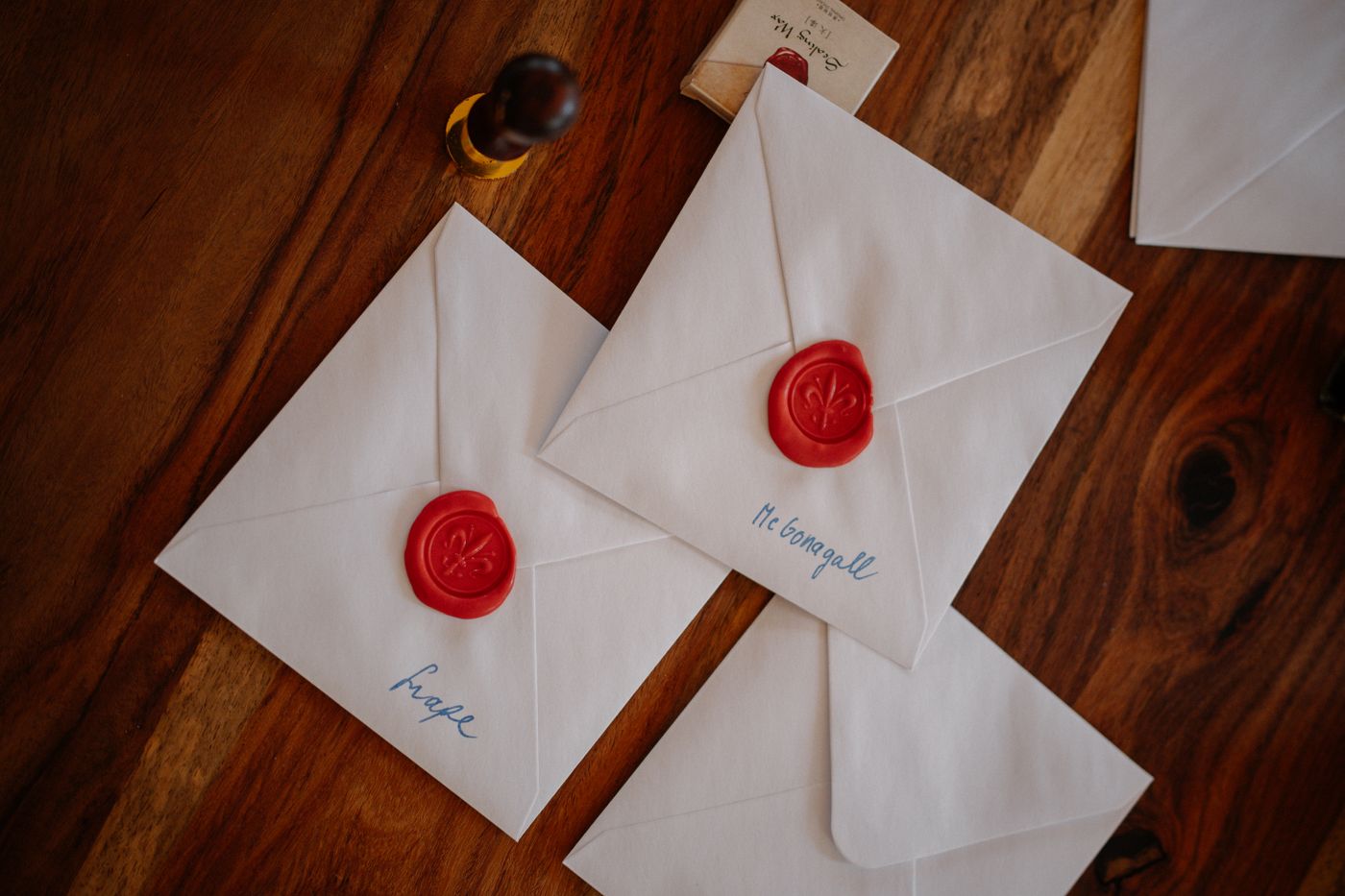
Now, and only now, say what you sell. One offer, described in two sentences, with the price and a link. Then: "That is the only time I will mention it in this sequence. The monthly letter is the letter; the shop is always there if you want it." Readers trust an offer more when it is stated once and left alone.
Timing that works
Day zero, day three, day six, day ten. The gaps lengthen slightly, which feels natural rather than relentless. Send at the same time of day the reader signed up, because that is a time they were reading. If your monthly letter would land in the middle of the sequence, let it; a new subscriber seeing a real issue arrive is good, not confusing.
What every letter in the sequence shares
- A subject line that says what is inside. "The pricing mistake I see every week" beats "Email 2 of 4".
- Your name as the sender. People open letters from a person.
- A length under four hundred words. Long enough to say one thing well.
- One link. Two at most. A letter with eight links is a newsletter nobody finishes.
- A plain way to leave. The unsubscribe link should be easy to find. The people who leave in the first week were never going to buy, and their leaving keeps your list honest.
Where to write the sequence
Any email tool with automations can do this. The pieces are the same everywhere: a series of letters, a trigger that starts the series when someone joins, and waits between the letters. In Gadura the series lives in Email Studio and an automation starts it when a new subscriber arrives, with the waits set per letter; the Email Studio reference walks through series, and the automations guides cover the triggers. Write all four letters before switching the trigger on. Send the whole sequence to yourself first and read it on your phone, which is where most of your readers will read it.
What to watch after a month
Three things tell you the sequence is working: replies to letter one, forwards or replies to letter two, and the occasional purchase from letter four. If letter one gets no replies, the question is too vague. If letter two gets nothing, the idea was not your best one. If letter four never sells, the offer is unclear or the price is wrong, and both are fixable. Change one letter at a time and give each change a month.
The quiet part
A good welcome sequence does not feel like marketing to the person receiving it. It feels like being introduced to someone properly: here is what I do, here is something useful, here is why I care, and here, once, is how we could work together. Four letters, ten days, written once. It keeps working for every person who joins after it, while you get on with the work.
The people who build Gadura, writing about the craft of running a creator business: pricing, products, email, community and getting found.


Get new posts by email
One letter when something new is published. No spam, ever. Leave whenever you like.
By subscribing, you agree to get emails from Gadura. You can unsubscribe at any time. Privacy policy