
When to say no to a client, and how to do it politely
 The Gadura team
When to say no to custom work. The five requests worth declining, the words to decline them with, and the one door you keep open.
The requests that hurt a creator business rarely look harmful when they arrive. They look like compliments. "Could you do a version just for us?" "We love it, we just need a few changes." "Your course is great, but could you coach me through it one to one?" Each yes is small. Together they turn a business built on products back into a job where every week starts from scratch. Knowing when to say no to custom work, and how to say it without losing the person, is a skill. Here is how to build it.
The five requests worth declining
- The custom version of a product. A buyer wants your template, guide or course adapted to their situation. The adaptation is a new product at a service price, and if you do it once at the product price you will be asked again.
- The small change that is not small. "Just one more thing" on a fixed-scope job. It is the third such thing this week, and each one quietly moved the deadline.
- The work outside your lane. A client you like asks for something you can do but do not do. You will do it slowly, charge too little and resent it.
- The discount with a story. A reason why this person should pay less. The reason is often real. The discount still sets a precedent that reaches the next person.
- The urgent job that is only urgent for them. It arrives on a Friday and wants Monday. Their planning is not your emergency.
None of these people are difficult. They are asking a reasonable question. The problem is only that yes costs you more than they can see.
Decide the answers before the questions arrive
The reason saying no is hard in the moment is that you are deciding the policy and delivering the news at the same time. Separate them. Sit down once and write your answers to the five requests above. Then the conversation is just reading out a decision you already made, calmly, to someone you like.
It helps enormously if the decisions are visible before anyone asks. A sales page that says what is included and what is not. A checkout that shows the refund terms. A fixed-scope offer with a plain "not included" line. The piece on this blog about productised services covers why one clear offer makes most of these requests disappear before they are made.
How to say it
A good no has three parts: a thank you that is true, the no itself in one sentence, and a door. Keep each part short.
- The custom version: "Thank you, I am glad it is useful. I do not adapt the course for individual businesses. If you want hands-on help applying it, I offer a review session at this price."
- The extra change: "Happy to. That is outside the scope we agreed, so I would add it as a separate piece at this price, or we can keep to the original and finish on Friday as planned. Which would you prefer?"
- Outside your lane: "That is not something I do, and you deserve someone who does it every day. Here is who I would ask."
- The discount: "The price is the same for everyone, which is part of why it works. The smaller option is here if it fits better."
- The urgent job: "I cannot do this by Monday. My next available start is this date. If that works, I am in."
Notice what is missing: an apology, an explanation of how busy you are, and a paragraph softening the blow. Those make the no longer and less clear, and they invite negotiation. A kind, short no is easier for both sides.
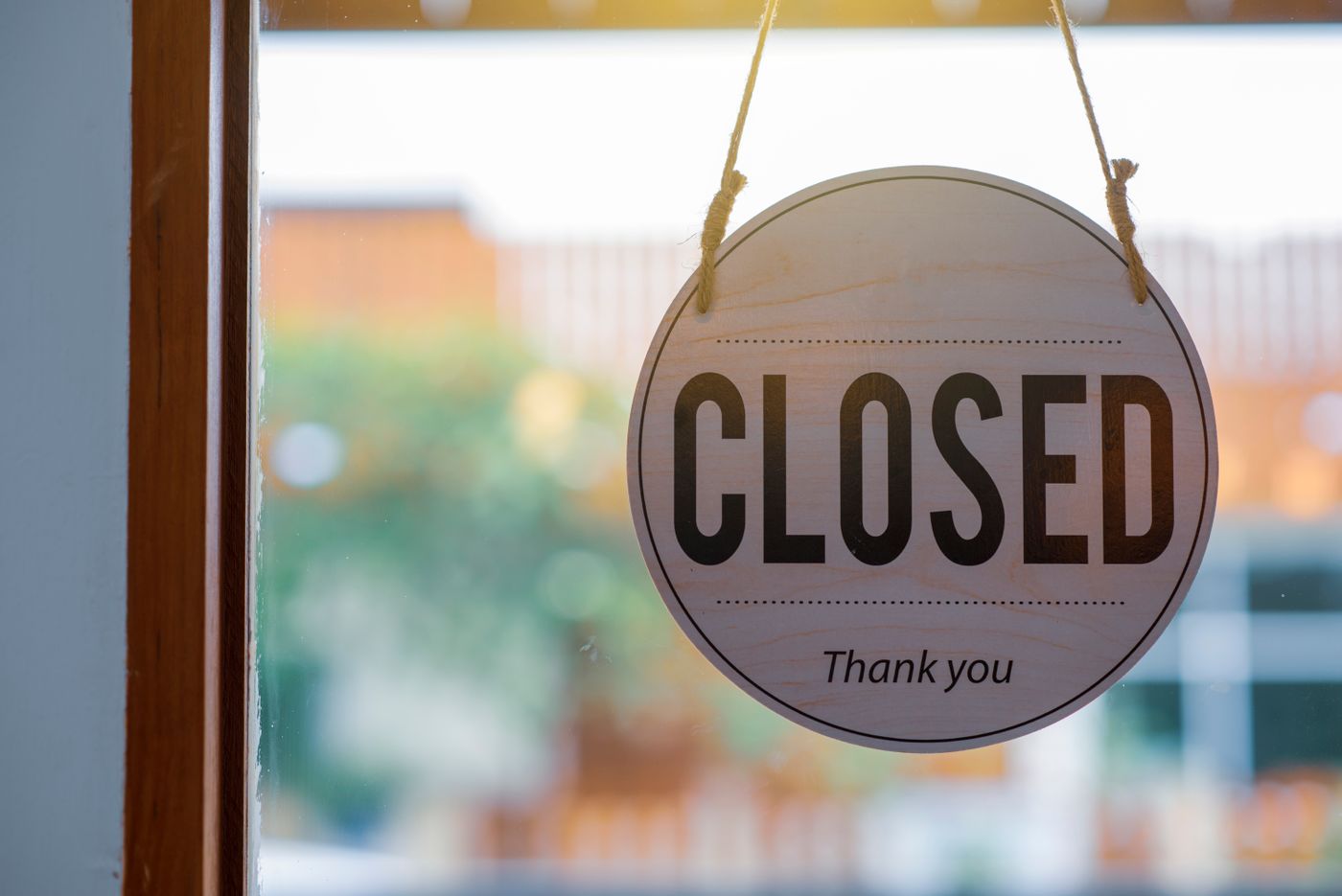
The one door you keep open
Saying no to custom work does not mean never doing it. It means doing it on your terms: one bespoke offer, at a price that makes it worth the disruption, with a start date you choose. When someone asks for custom work, that is the door you point to. Some will walk through it, and those projects will be the best-paid work you do. The rest will take the product, which was the point.
When the answer is actually yes
Sometimes a request is a signal, not a distraction. If five different buyers ask for the same adaptation, that adaptation is your next product. If three clients ask for the same extra, add it to the scope and raise the price. The requests you decline are data. Keep a note of them, and once a quarter look for the pattern. That is how a business built on products grows: not by saying yes to each request, but by noticing which no you keep having to say.
What changes when you can say it
The first few times feel risky. Then you notice that nobody left. The client who wanted the extra chose the paid version or the original scope, and was fine. The buyer who wanted a discount bought the smaller option. The urgent job waited, or went elsewhere, and either way your Friday was yours. Saying no politely is not a loss of business. It is the moment the business starts having a shape.
The people who build Gadura, writing about the craft of running a creator business: pricing, products, email, community and getting found.


Get new posts by email
One letter when something new is published. No spam, ever. Leave whenever you like.
By subscribing, you agree to get emails from Gadura. You can unsubscribe at any time. Privacy policy